
Weekly Mowing Height Matters More Than You Think
Mowing feels simple. Cut the grass, move on. But how often you mow, and more importantly, how short you cut, can determine whether your lawn thrives or constantly struggles.
Improper mowing height is one of the most common reasons lawns thin out, invite weeds, and fail to recover from stress. And once damage starts, it compounds quickly.
Mowing Height Directly Affects Root Strength
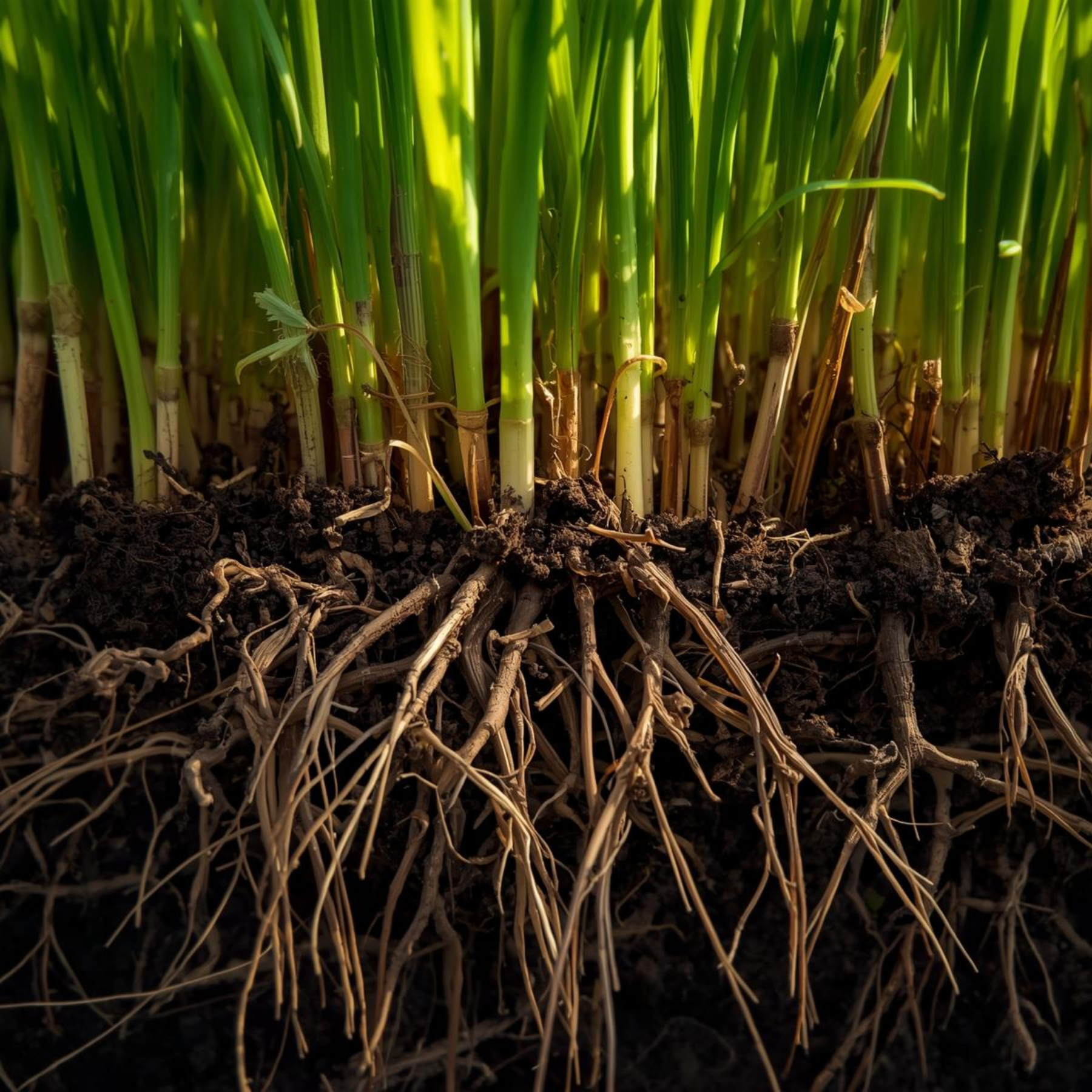
Grass doesn’t just grow upward; it grows downward. When turf is cut too short, the plant sheds root mass to survive. Shallow roots mean weaker grass that dries out faster and can’t compete with weeds.
Proper mowing height allows grass to:
Develop deeper, stronger roots
Hold moisture longer
Recover faster from heat and foot traffic
This is why consistent mowing at the right height is a foundational part of healthy turf, not just a cosmetic choice.
Cutting Too Short Invites Weeds
Short grass exposes soil. Exposed soil invites weeds.
When turf is kept at its recommended height, it naturally shades the soil surface. That shade suppresses weed germination and reduces how aggressively weeds can establish themselves.
No amount of weed control fully compensates for mowing mistakes. NC Turf Care’s fertilization and weed management programs work best when mowing height supports turf density rather than working against it.

Weekly Mowing Prevents Lawn Shock
Letting grass grow too tall and then cutting it down drastically stresses the plant. This “scalping” removes too much leaf surface at once, limiting the lawn’s ability to photosynthesize.
Weekly mowing:
Keeps growth consistent
Prevents stress cycles
Maintains even turf density
This consistency is especially important during peak growth seasons when grass responds quickly to changes.
Different Grass Types, Different Heights
Not all turf should be cut the same way.
In North Carolina:
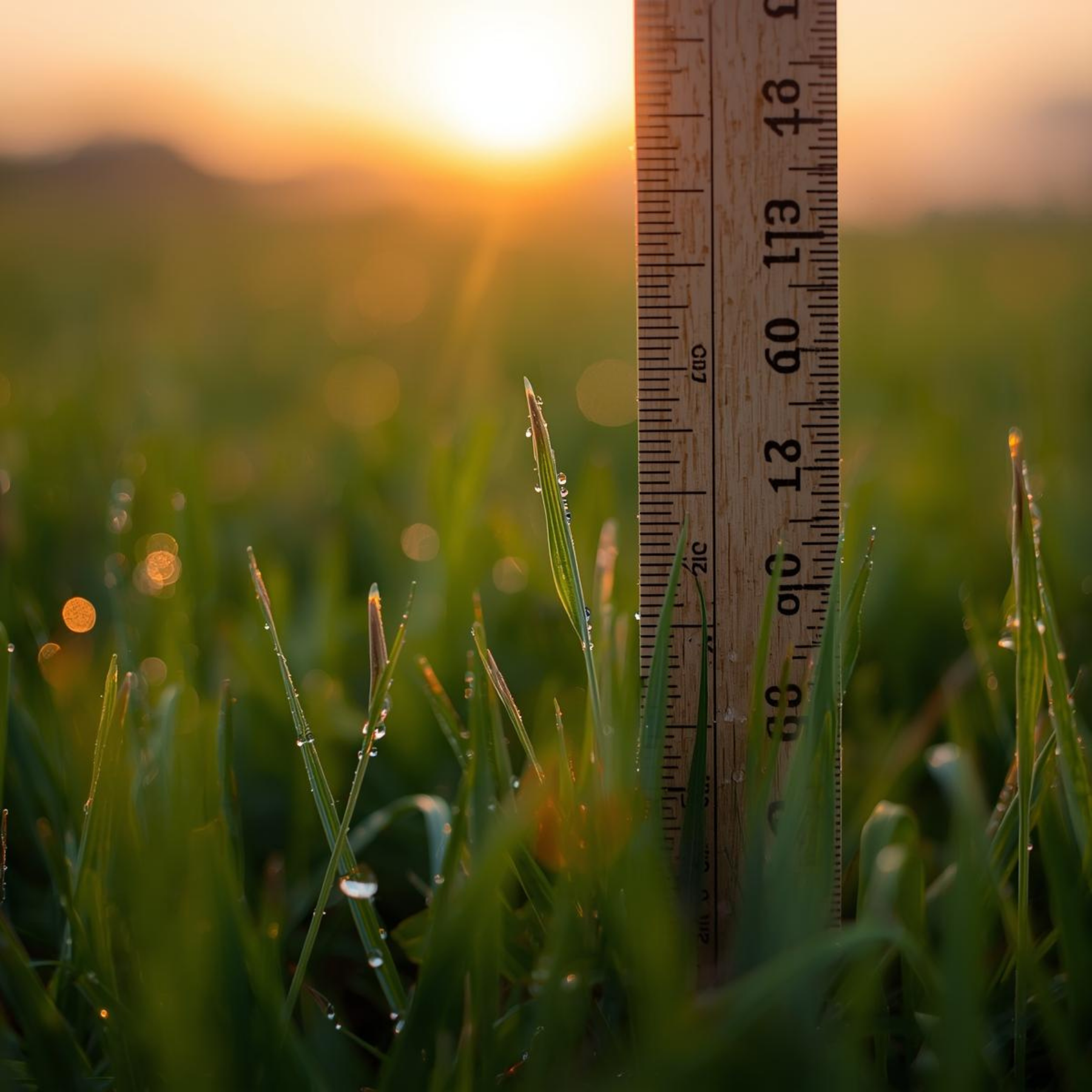
Tall fescue performs best when kept taller
Bermuda and other warm-season grasses tolerate lower cuts but still require consistency
Mowing without considering turf type often leads to thinning, discoloration, or dormancy issues. NC Turf Care helps homeowners identify their grass type and build care programs — including mowing guidance — that actually match the lawn.
Mowing Works Best When Paired With Proper Turf Care
Mowing alone doesn’t create a great lawn. It works in tandem with:
Fertilization
Aeration
Weed control
Proper irrigation
NC Turf Care’s turf care programs are designed around how grass actually grows, not generic maintenance habits. When mowing height aligns with nutrient timing and soil health, lawns respond faster and stay thicker longer.
Did you like this blog? Read more here.