
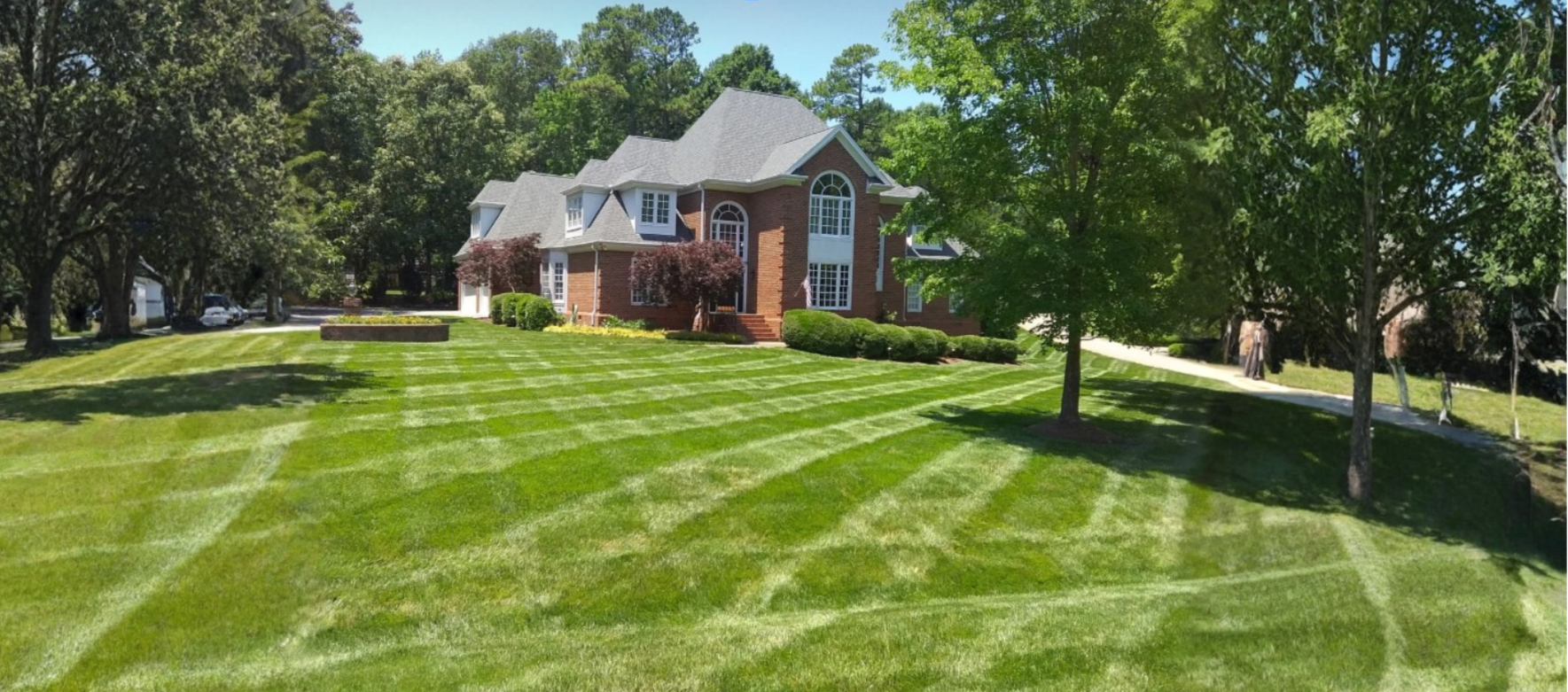

Lawn Care & Maintenance
Routine Care for a Perfect Lawn
Weekly, Biweekly, Monthly, & Bimonthly Lawn Care; a wide array of programs to fit you and your lawn’s needs.
Lawn Maintenance Programs
We know you want a nice yard without a ton of effort. That’s why we’ve designed three different programs to help you accomplish this. We offer a full-service maintenance program, an upgraded fertilization program that includes up to seventeen different services, and a basic fertilization program that covers the fundamentals. Explore them below:

Most Popular
Full-Service Maintenance Programs
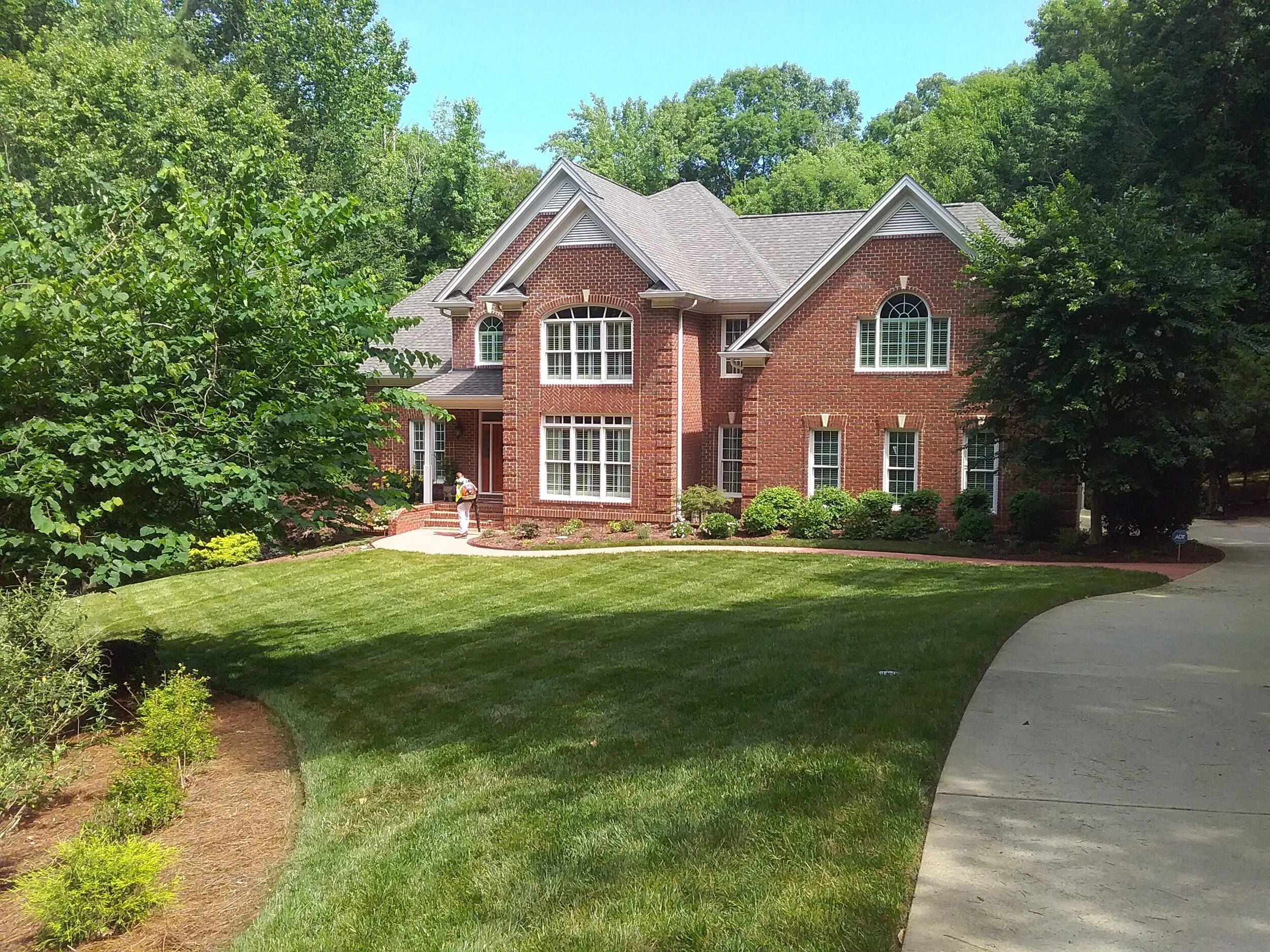
At NCTC, we offer a wide array of programs to fit you and your lawn’s needs. For the lawns that you don’t want to have to touch at all and just leave to the professionals, this program is for you.
Our Full-Service Maintenance program is an all-in-one, meaning it includes all the essentials and more. See below for a brief overview of the included services:
Mowing
Garden Bed Weeding
Edging and Blowing
Bush and Tree Trimming
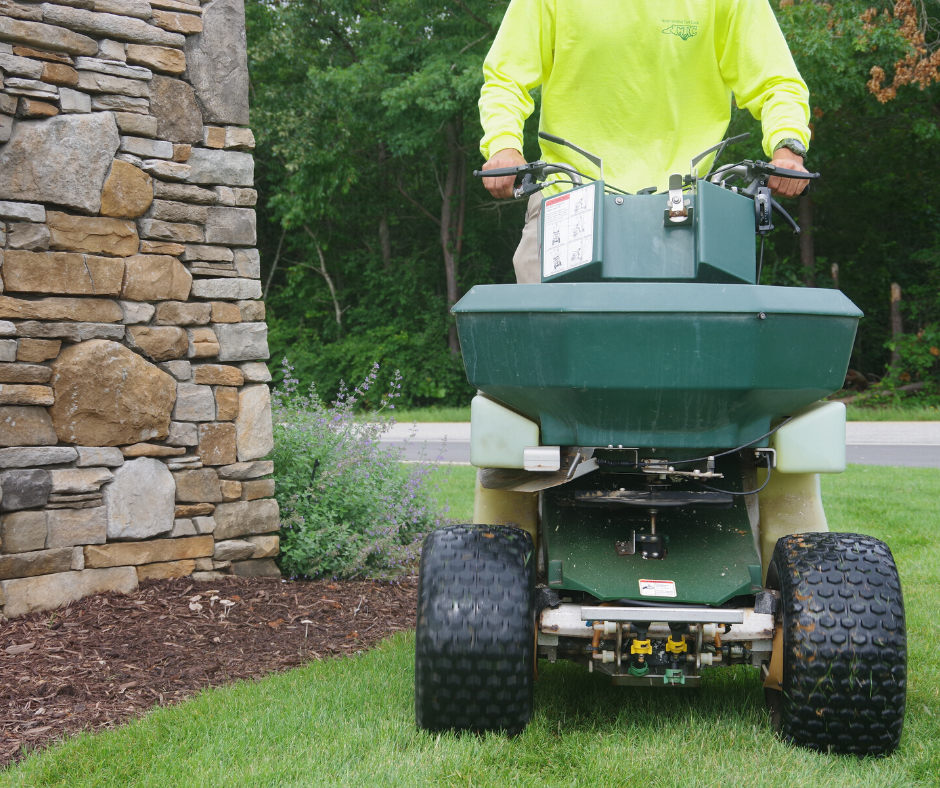
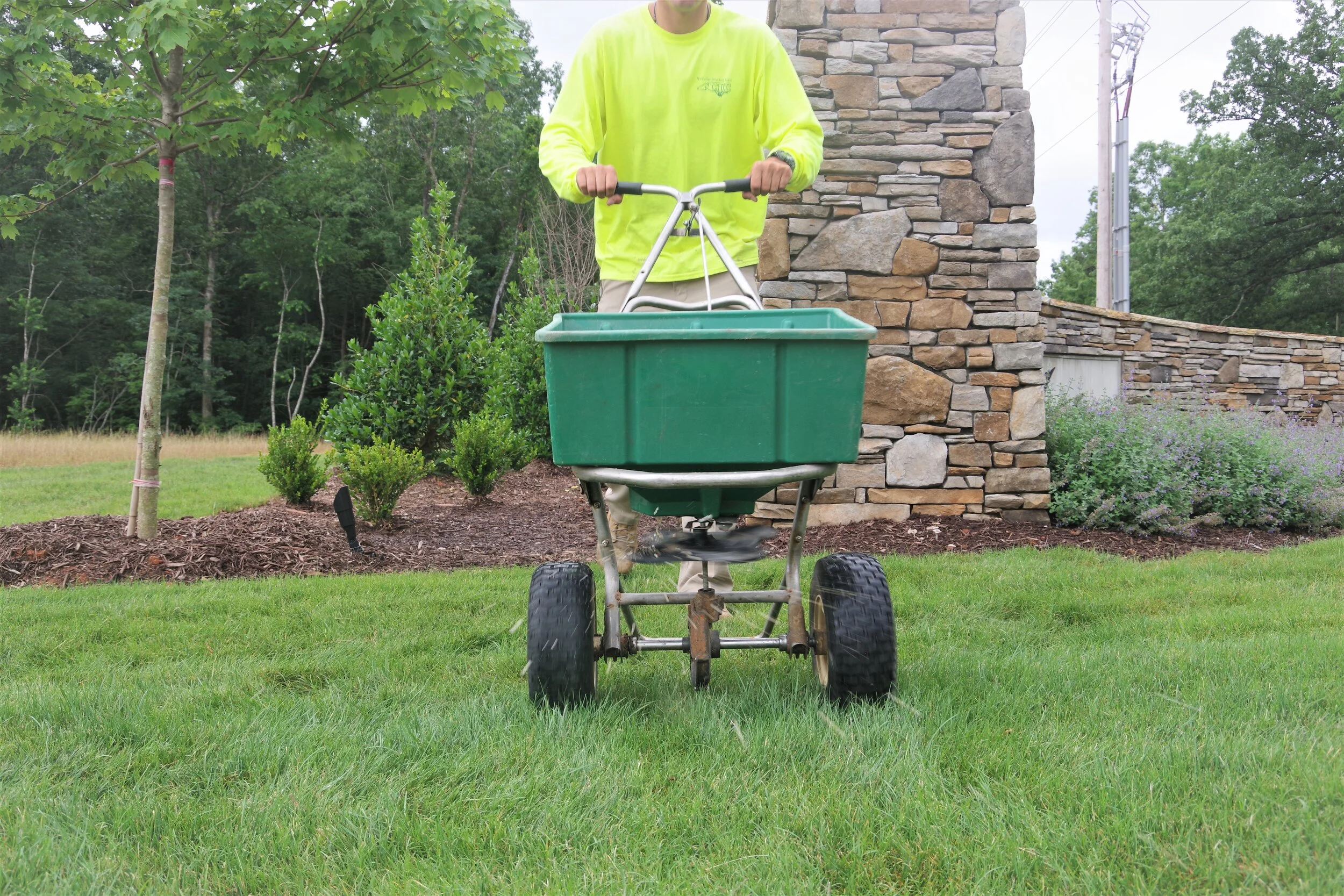
Lawn Fertilization
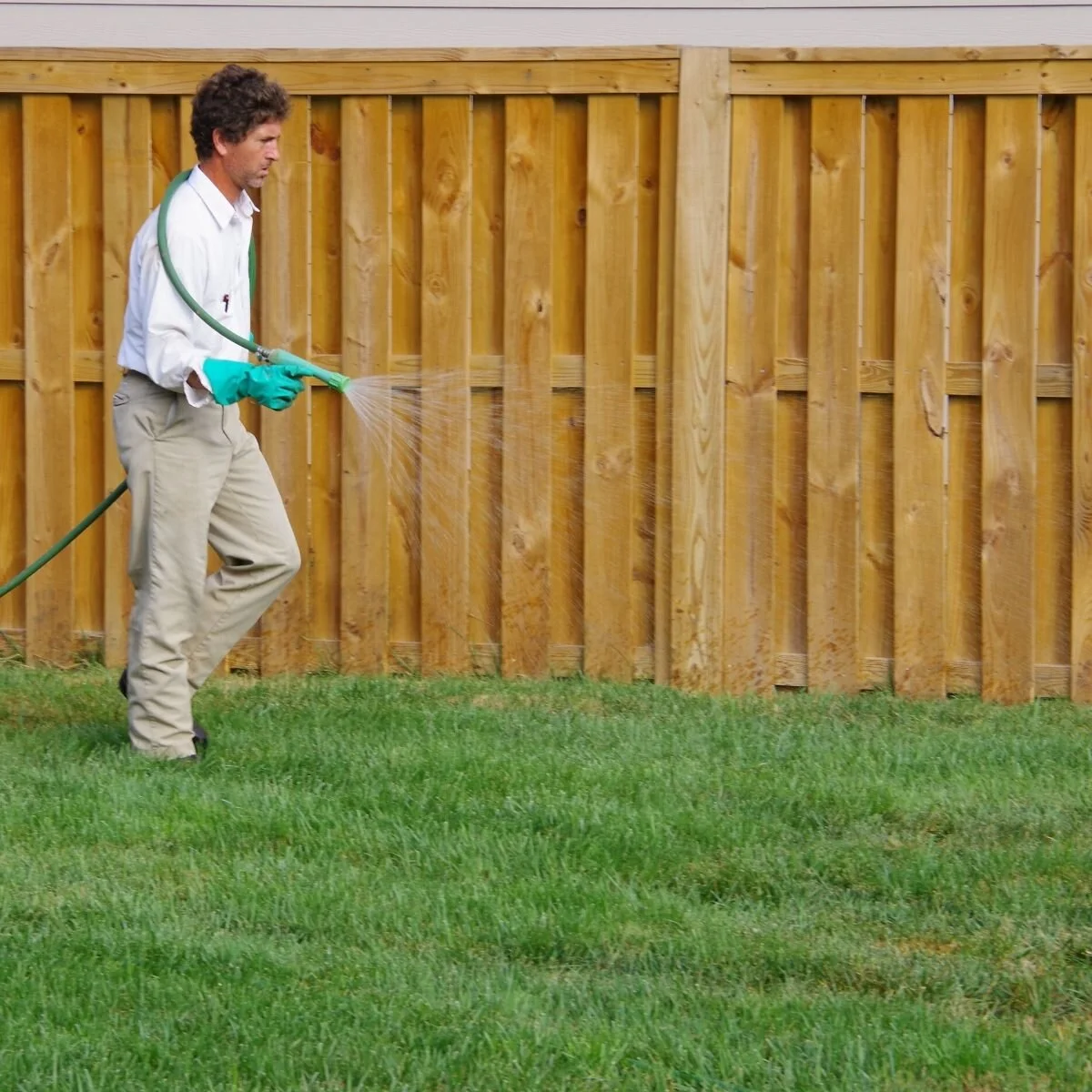
Weed Treatment
Aeration and Seeding
Additional add-on services include fire ant maintenance, fungicides, grub control, insecticides, nutsedge applications, and crab grass treatments, among others.


Fertilization Programs (Original & Plus)
While our Full-Service Maintenance Program covers all the essentials and more, we offer fertilization programs that focus on fertilization and weed management. These programs are a perfect fit for homeowners who like staying involved in their lawn care, or don’t want all the services offered in the full-service.
Our Fertilization programs cover the essentials, with optional add-on services for a customizable experience. See below for a brief overview of the included services.
Lawn Fertilization
Original Fertilization Program (Basic Version)
Fertilization PLUS Program (Upgraded Version)
Weed Management
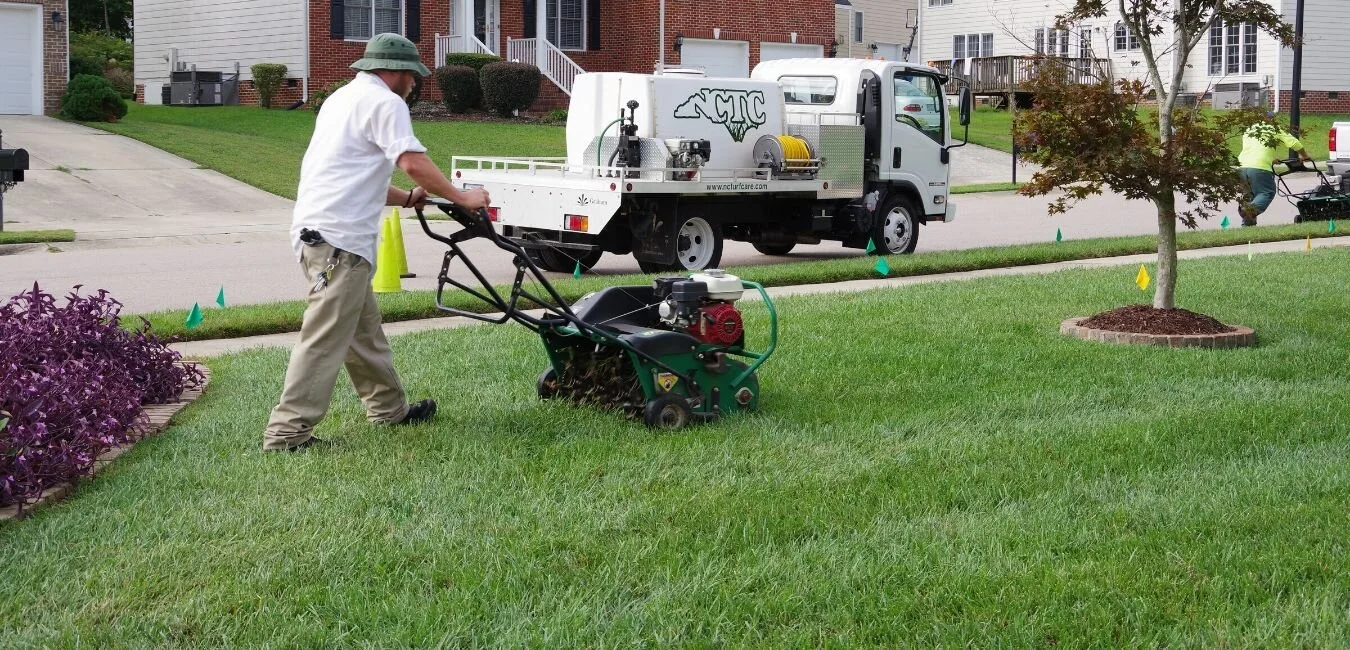
Aeration and Seeding
Optional Add-Ons
Optional add-ons are included in our Fertilization PLUS Program but incur an additional cost in our Original Fertilization Program.
SIDE-BY-SIDE COMPARISON
of our lawn care programs
All-In-One Program
Mowing
Garden Bed Weeding
Edging & Blowing
Bush & Tree Trimming
Lawn Fertilization
Weed Management
The Essentials
Lawn Fertilization
Fert Plus
Original
Weed Management
Aeration & Seeding
Optional Add-Ons
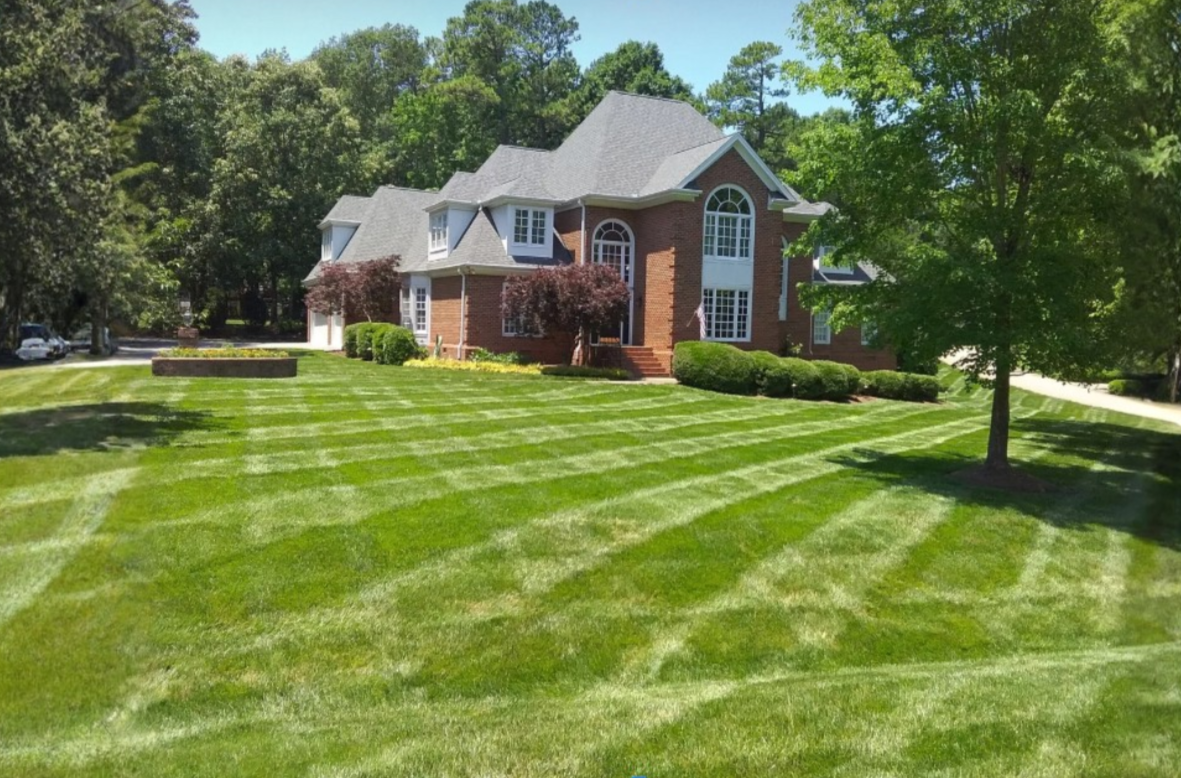
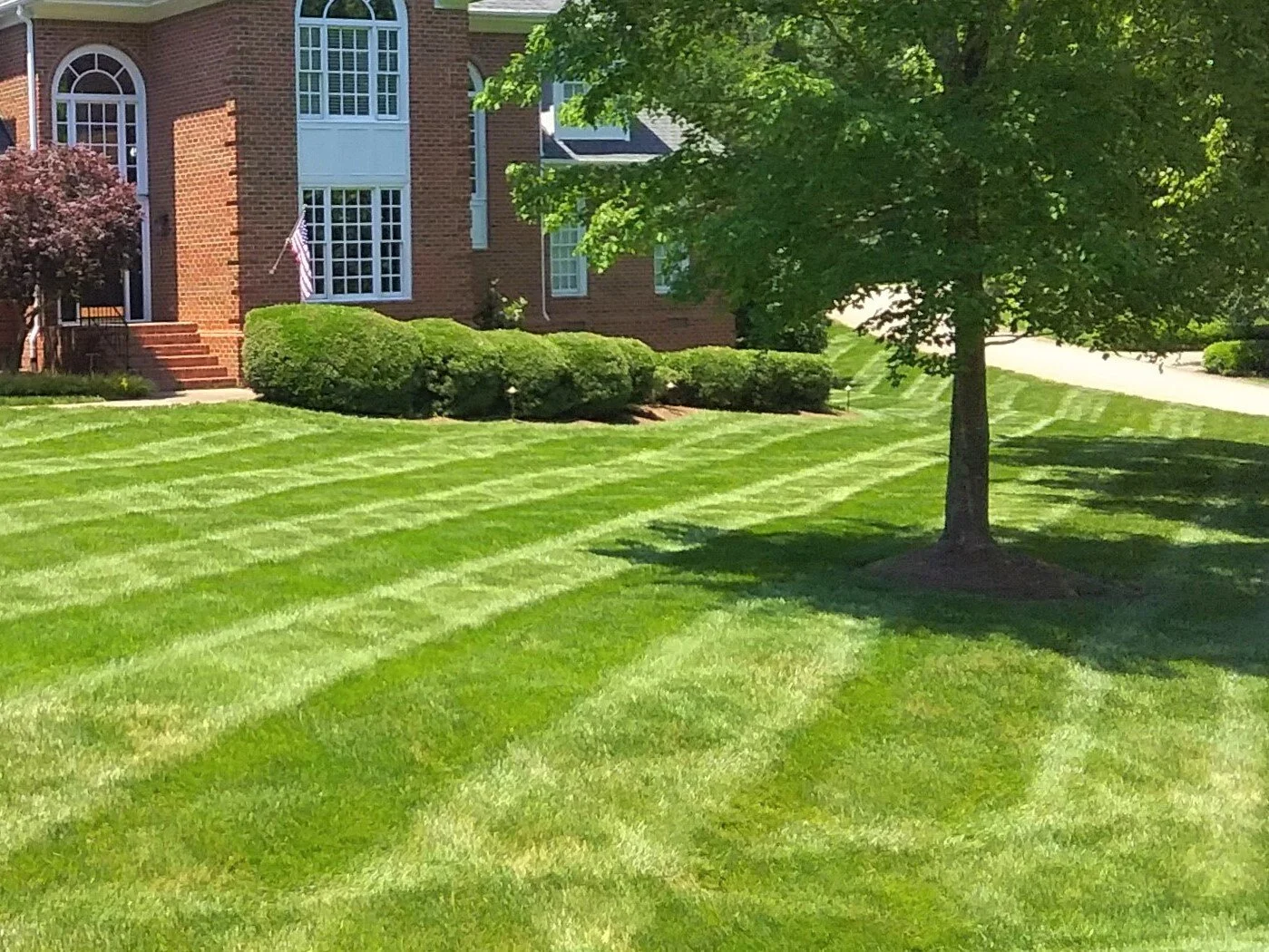
Our Work; Our Results
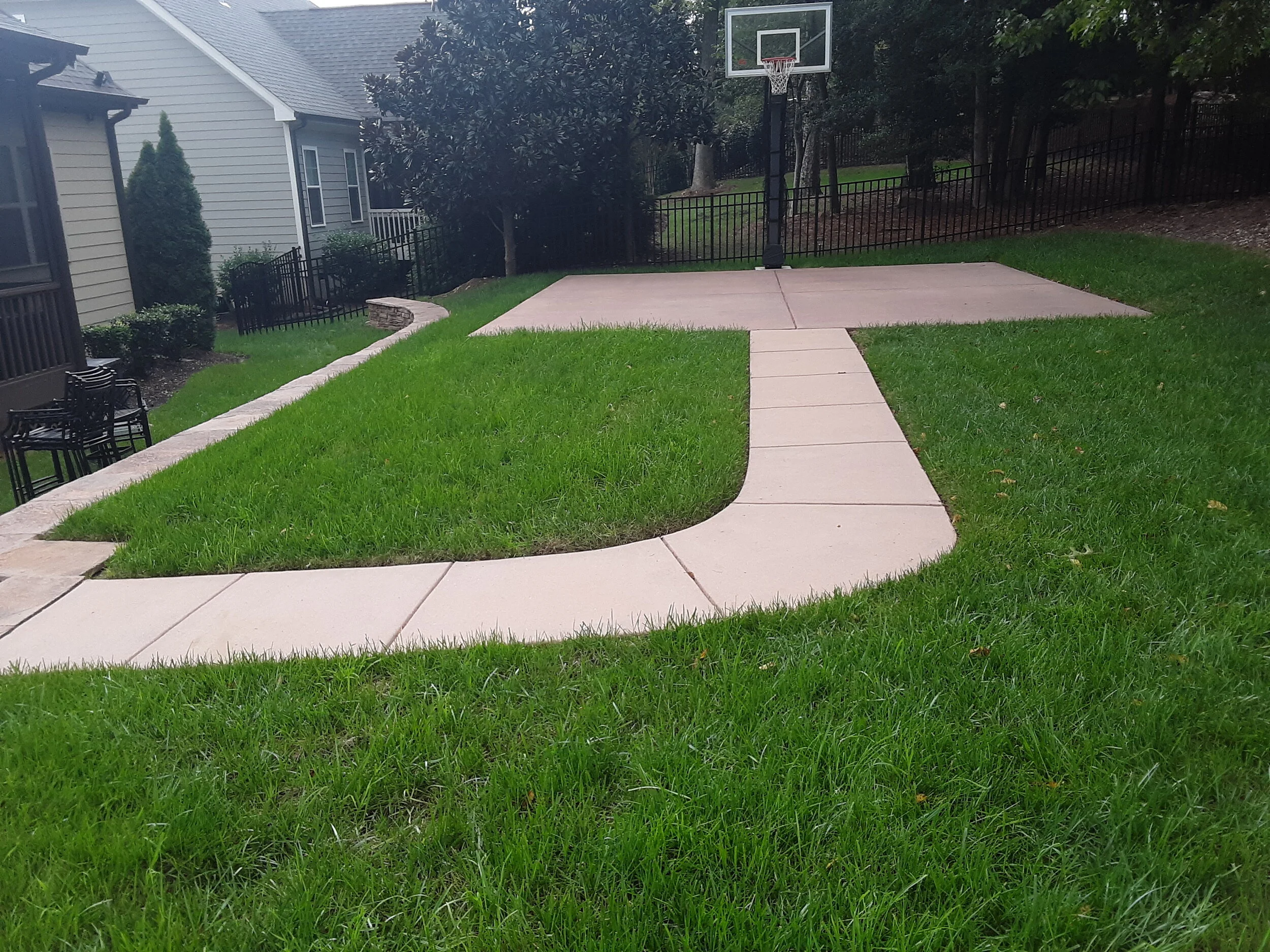
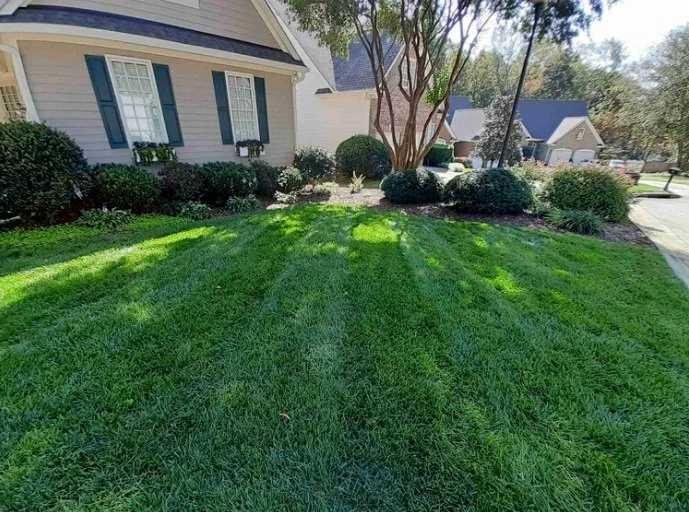
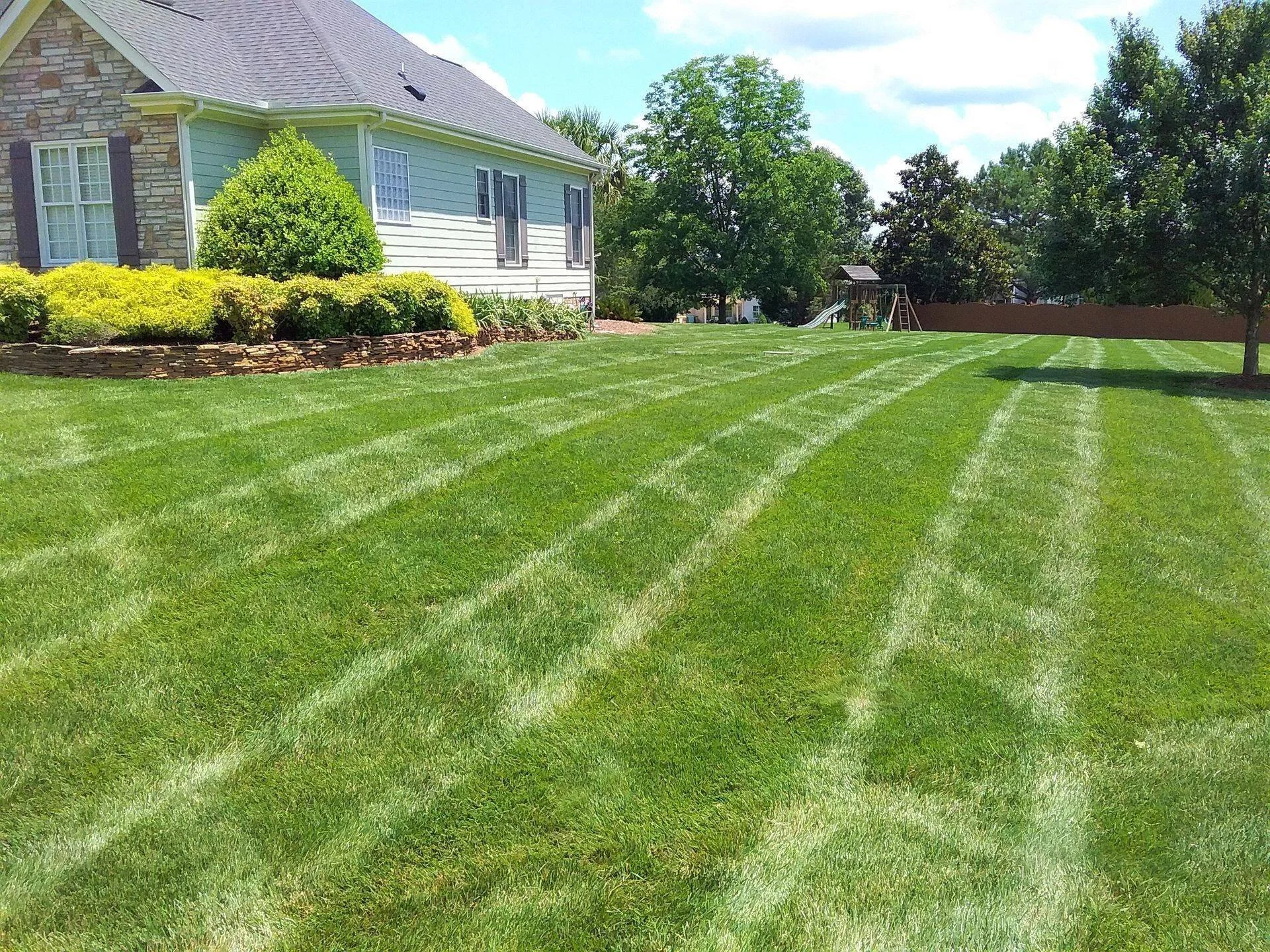
Let’s Outline the Why Us
Not convinced yet?
ONE COMPANY FOR YOUR ENTIRE YARD
We handle turf, irrigation, pests, softscaping, and hardscaping — so your entire property is managed by one accountable team.
PROGRAM-BASED CARE,
NOT GUESSWORK
Our fertilization, irrigation, and pest services follow structured, seasonally-timed programs that keep your yard improving year after year.
LOCAL CREWS WHO ACTUALLY SHOW UP
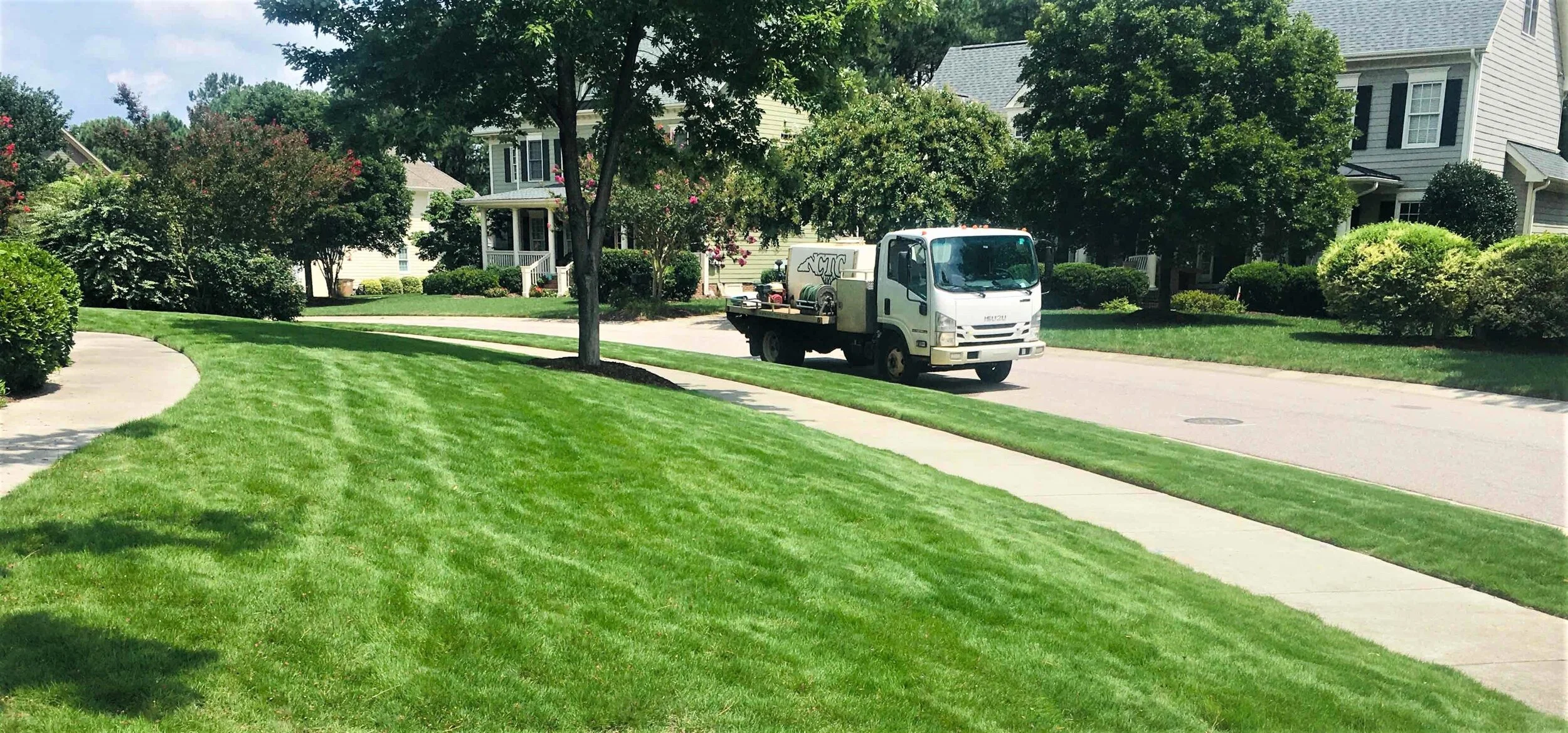
No franchises or call centers. We serve the Triangle with local technicians who know NC soil, weather, and turf, and who you can actually reach.
FAQs
-
In Wake Forest and surrounding areas, cool-season lawns like fescue are best fertilized in early fall and late fall. Spring fertilization is lighter and focused on recovery, while summer fertilization is limited to avoid heat stress.
-
Most lawns in North Carolina benefit from 4–6 fertilizer applications per year, depending on grass type, soil conditions, and seasonal weather patterns.
-
If your turf type is Bermuda, this is a normal phenomenon and does not damage the turf’s overall health if taken care of properly throughout the winter.
In other cases, summer browning is usually caused by heat stress, drought conditions, compacted soil, or fungal disease. Improper mowing height and over-fertilization can make the problem worse. This is why it is important to receive proper treatment from lawn care professionals, like at NCTC. -
If not used properly, chemicals could potentially hurt your plants and flowers. This is why it’s important to hire a professional lawn care service. At North Carolina Turf Control, we will ensure that the weeds on your property are kept under control while not damaging your plants, flowers, or lawn.
-
Common weeds include crabgrass, dandelion, clover, wild violet, and nutsedge. Effective control requires season-specific pre-emergent and post-emergent treatments.
-
Pre-emergent treatments are typically applied in late winter or early spring before soil temperatures rise enough for weeds to germinate.
-
Weeds often return due to untreated root systems, poor soil health, thin turf coverage, or improper timing of applications. Long-term control requires a full lawn care program, not one-time treatments.
Questions?
Want a quote?