

Mosquito Control Programs
Three program options.
Non-spraying options available for those who need bee- and butterfly-friendly chemicals.
PROGRAM OVERVIEW
We offer Regular, Plus, and In2Care only programs to help combat the spread of mosquitoes at your property. Programs start in March and run through October, with service monthly (every 30 days), but can be altered if you would like to exclude select months from service. However, you can get your last treatment FREE if you sign up for all eight months.
Regular Program
The regular program includes the basics of mosquito control and occurs every 30 days, unless you request otherwise. Treatments start in March and run through October. Sign up for eight months in one calendar year, and receive the eighth treatment FREE. Listed below is what each service visit includes and pricing information.
Includes
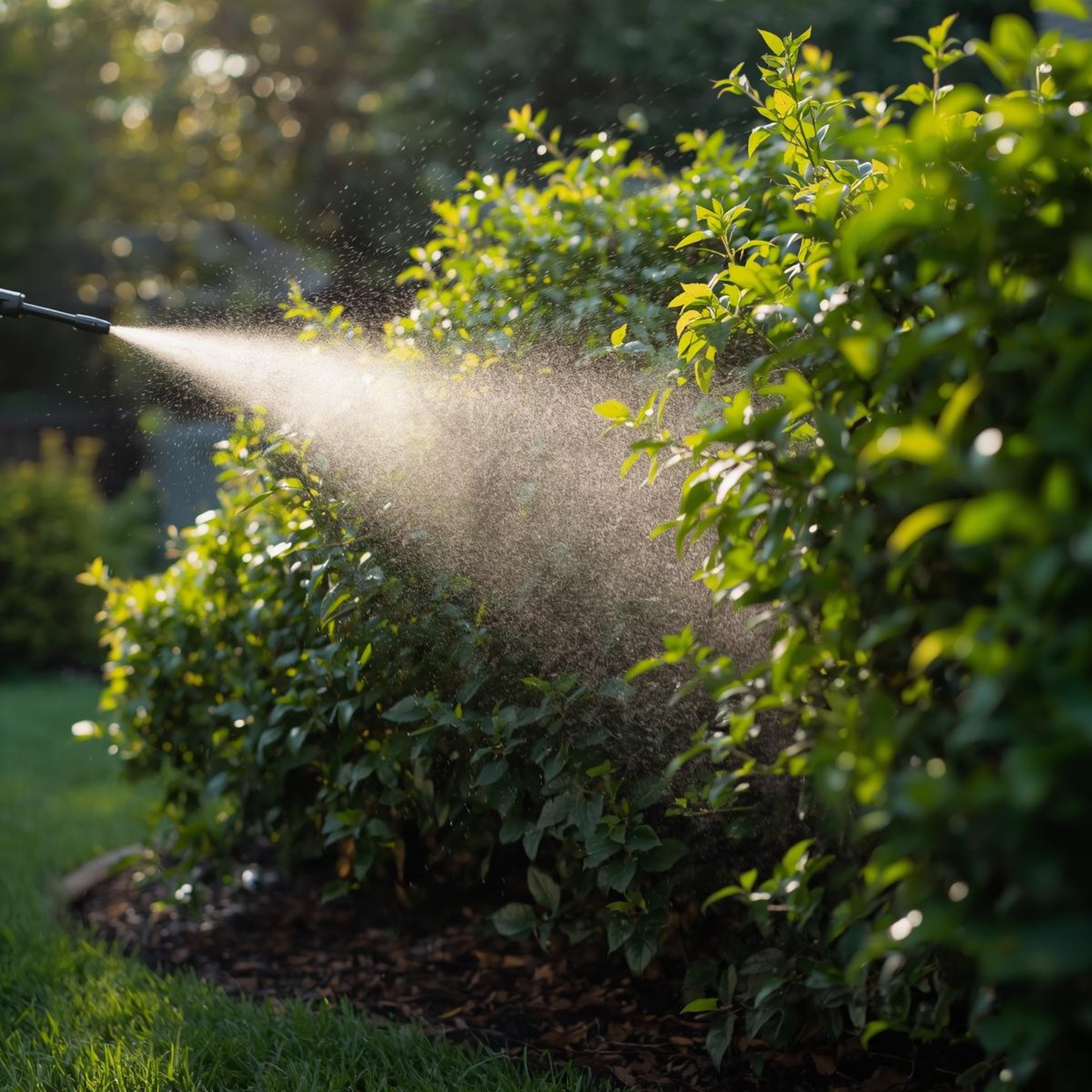
Treatment of foliage around the property (treeline, shrubs, etc.), hard-to-reach areas (under decks, behind sheds, etc.), and water-collecting components (small puddles, bird baths, etc.)
Tips from a knowledgeable team on how to reduce the mosquito population
Pricing
Treatments start at $75 per application. As cost is not based on square footage, pricing will be provided following a property assessment so we can evaluate your property’s specific needs.
Worried about bees or butterflies being harmed by the spraying?
Then we have the perfect program for you! Using a special biocide in a mosquito trap through In2Care, beneficial insects like bees, butterflies, ladybugs, and more will not be harmed.
Plus Program
The Plus program includes biocide technology and more effective mosquito control. Treatments occur every 30 days, unless you request otherwise. Treatments start in March and run through October. Sign up for eight months in one calendar year, and receive the eighth treatment FREE. Listed below is what the program includes and the pricing.
Includes
Monthly treatment of foliage, hard-to-reach areas, and water-collecting components (just as in the Regular program)
Tips from a knowledgeable team on how to reduce the mosquito population (just as in the Regular program)
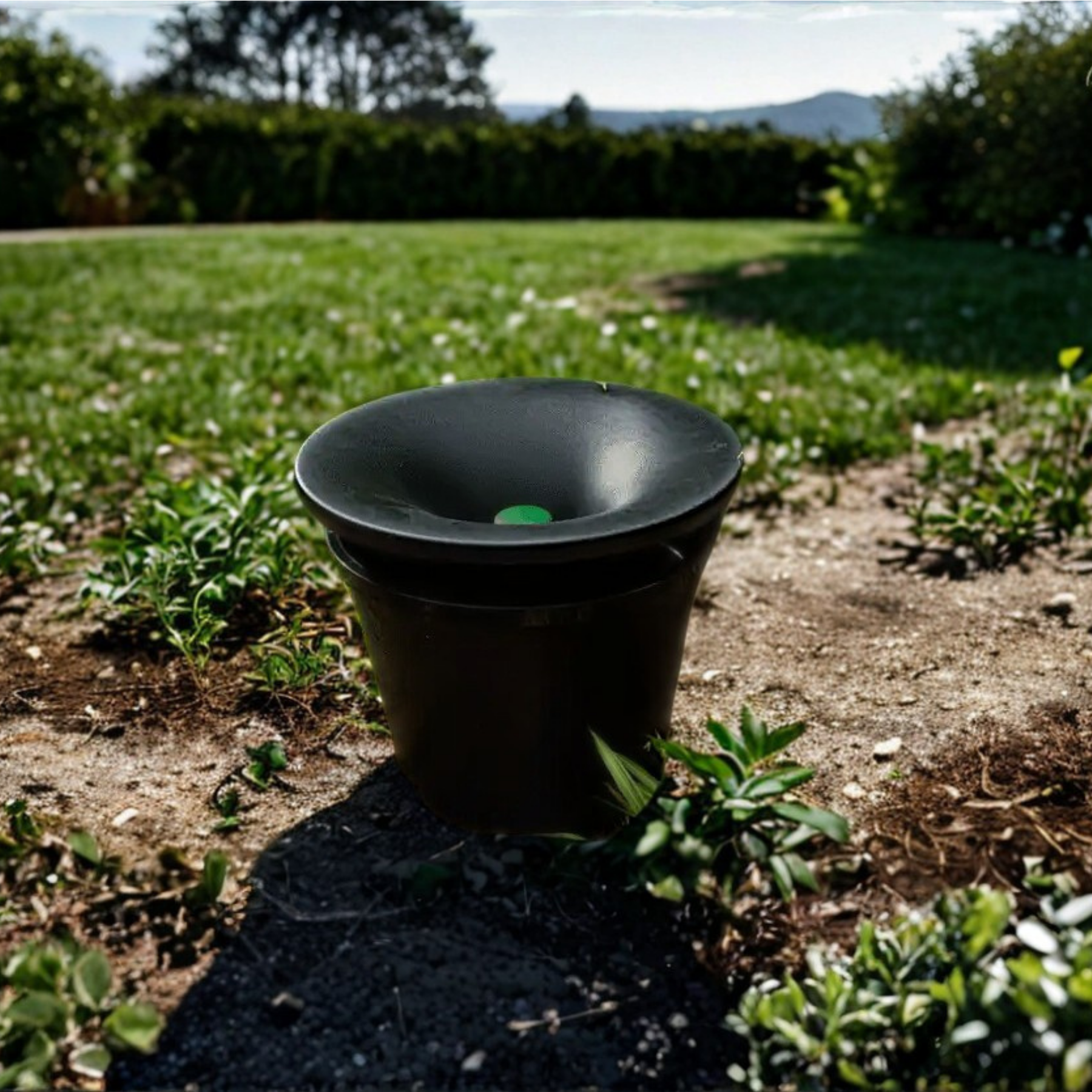
In2Care system stations with biocide technology that targets and is effective against mosquitoes and keeps humans, pets, birds, fish, and beneficial insects unharmed
Pricing
Treatments start at $95 per application and include up to two In2Care station installations and maintenance. Stations beyond two cost an additional $35 to install and $10 to service monthly.
As cost is not based on square footage, pricing will be provided following a property assessment so we can evaluate your property’s specific needs.
In2Care ONLY Program
The In2Care ONLY Program is just like what it sounds: only In2Care stations and monthly servicing—no spraying. This program includes In2Care’s effective mosquito population control without the cost of spraying vegetation from our crew. See below for more details on included In2Care stations and pricing. The program starts in March and runs through October.
Includes
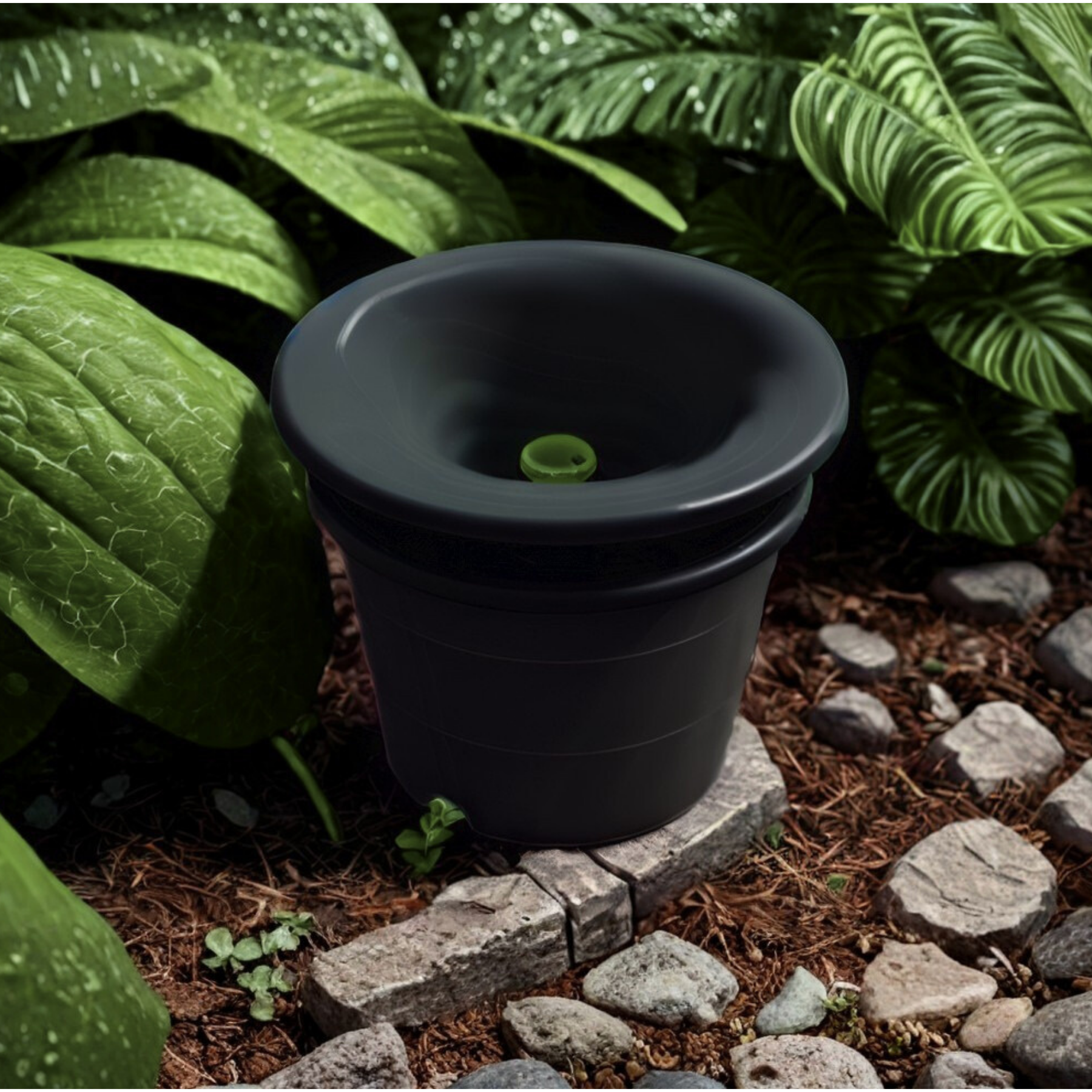
Minimum of one station
Optional additional stations
Monthly upkeep servicing for each station by our crew
Pricing
Stations are $35 each, with an additional $25 base fee plus $10 per station to service monthly. Exact pricing for your property will be provided following a property assessment, so we can evaluate how many stations you need.
PROPERTY EVALUATIONS
Our mosquito control programs are designed to fit YOUR property’s needs, which means we must evaluate your property before we quote you. Evaluation is based on foliage, watery areas, and hard-to-reach enclosures, so we can determine where the best places are to treat. Interested in taking the next steps to starting a mosquito control program? Fill out this form.

The In2care System
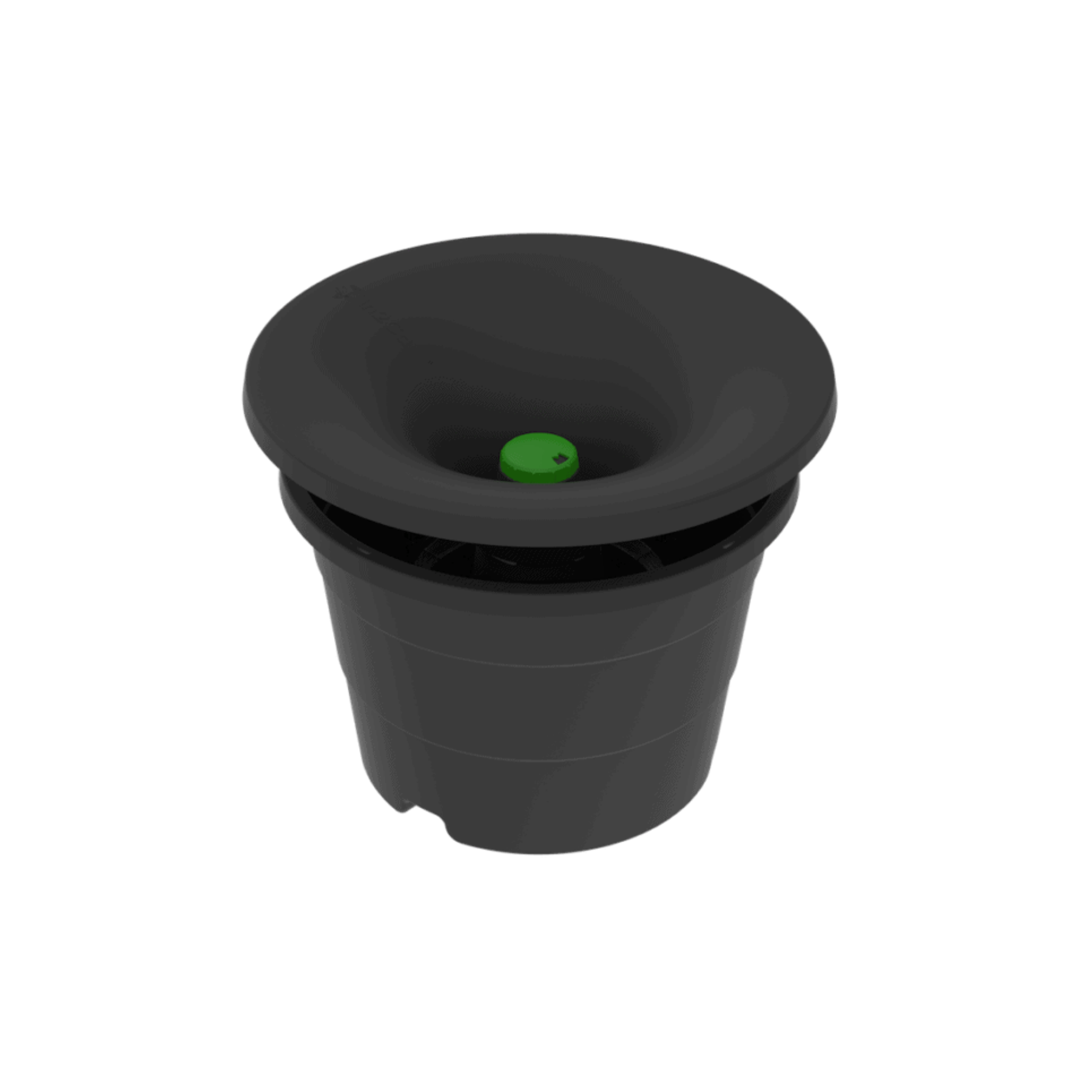
Only included in the Plus & In2Care Only program.
This is an In2Care station.
What is special about In2Care?
In2Care stations are filled with biocide. Biocide is a chemical substance that attracts mosquitoes with natural pheromones. Once the mosquito lands on the substance inside the station, the biocide sticks to its legs and infiltrates its gut, which starts to slowly kill the mosquito. Biocide also kills mosquito larvae and prevents the mosquito’s ability to spread disease as soon as it comes in contact with the biocide.
Why is the killing process slower with biocide, and how does that help?
Biocide takes longer to activate and kill the mosquitoes. Once a mosquito has been in contact with the biocide, it can take a few days for the mosquito to die. However, this ultimately helps control the mosquito populations by naturally spreading biocide long after initial contact. Mosquitoes will naturally try and lay their eggs in other areas. Once they touch another body of water to do so, biocide contaminates it and will kill mosquito larvae before they mature. This helps spread treatment to areas far beyond the In2Care station, especially areas that may be overlooked by regular mosquito control treatments.
The following video provides a more in-depth explanation with visuals.
In2Care FAQs
-
Professional servicing is needed. That is why NCTC offers expert Mosquito Control programs to help you combat populations in a professional and knowledgeable manner. Simply give us a shout and express your interest, and we would be happy to set up In2Care for you.
-
The In2Care Mosquito Trap is designed and EPA labeled for the control of Aedes aegypti and albopictus, mosquito species (day biters) that are extremely common and thrive around humans. They are also known vectors of the Dengue, Chikungunya, and Zika virus and breeds typically in man-made containers. However, although not specifically labeled for other mosquito species that also use these types of breeding places, some Culex mosquitoes will also be attracted and impacted by the Trap. The dissemination/spreading effect of the larvicide, however, is specific for the Aedes mosquito.
-
The active ingredients in the Trap are not toxic to birds or mammals. This mean that people, pets, and birds will be unharmed. It makes use of a biological fungus that is only toxic to insects. This larvicide is approved by WHO to be used on drinking water and specifically targets mosquito larvae. In the low concentrations used, this product is practically not toxic.
The growth regulator portion of the active ingredients can be toxic to fish in high doses, but it is almost impossible to have mosquitos transfer enough product to a typical pond to harm fish such as coy. The only way such an exposure could happen is if the contents of the entire bucket were emptied into the pond. Even then, the harm to fish is remote.
As for wildlife in ponds or lakes nearby, the possible runoff from the Mosquito Trap will not cause any effect on local wildlife or flora. Toads or frogs that happen to come in contact with the Trap or enter it will also remain unharmed, as the active ingredients are not toxic against them. -
It is recommended to replenish the water in the Trap together with the new refill every 4 weeks (NCTC covers this part for you when enrolled in Plus Program). The Trap is designed so that rainwater automatically fills it in the period between refills. However, during dry periods or dry areas, it might be necessary to add water every 2-3 weeks.
-
Once mosquitoes enter the Trap, they will die within 8-10 days. But the In2Care Mosquito Trap will take approximately 2-3 weeks for significant results to be seen, as the next generation of mosquitoes are affected. However, the delayed effect of the trap is crucial to preventing mosquito populations at a large scale.
-
The product is EPA approved for outdoor use only. Best results occur when the trap is placed in shaded, vegetated areas, as these places are where mosquitoes are most naturally attracted to. For instance, you may place your trap near bushes or the corner of your porch.
If you have dogs or if the affected mosquito area is in an unstable area susceptible to winds and other animals knocking it over, stability can be improved by fixating the Trap into the soil using ground pins. Weights adhered to the bottom of the trap may also be used if needed. -
Yes, the In2Care mosquito trap acts as a dissemination unit. Mosquitoes will lay their eggs inside the water-filled units when sitting on the powdered gauze. They will be contaminated by the larvicide and fungus powder. They will then fly out of the Trap and spread the larvicide that sticks to their body to surrounding breeding sites when laying more eggs. The fungus will kill the mosquitoes after a few days.
While the trap does not keep the mosquito inside of it until it dies, it remains effective by using mosquito travel to its advantage. By allowing mosquitos to enter and exit the trap, the effects of biocide can be spread to a much larger area and into water reserves that would not regularly be treated with biocide or mosquito spray. -
Yes, the Fungus spores used against the mosquitoes are an organic adulticide. Mosquito larvicide (Pyriproxyfen (PPF)) is not an organic larvicide. It is an EPA-registered juvenile hormone analogue; a chemical that mimics a specific natural hormone involved in the growth and transformation from larvae into adult mosquitoes. In this product PPF is used in very small amounts (0.35 grams every 4 weeks), and it requires less than 10/ppb (parts per billion) to affect the water source, making it a very “low impact” chemical. Due to the exploitation of the mosquitoes skip-oviposition behavior, where the PPF will effectively be spread only to target areas (other cryptic breeding sites) via the mosquito, no chemicals are unnecessarily spread in the environment. This makes it harmless to bees and other beneficial insects.
Not finding the information you need? Feel free to contact us at info@ncturfcare.com, or call our office at (919) 554-9645.