

Cool-Season Vs. Warm-Season Grass: What NC Lawns Need
North Carolina isn’t a one-size-fits-all lawn state. We sit in a transition zone where both cool-season and warm-season grasses can grow, but they have very different needs. Knowing which type you have (or should plant) makes every other part of lawn care — fertilization, watering, weed control — more effective.
What Makes a Grass “Cool-Season” or “Warm-Season”?
Cool-season grasses thrive when temperatures are mild. They grow fastest in spring and fall, slow down in summer heat, and can stay greener than warm-season grasses when it’s cooler.
Warm-season grasses love heat. They shoot up in late spring and summer, go dormant and brown in colder months, and generally need heat to look their best.
In North Carolina’s climate, both types are common, but they’re not interchangeable.
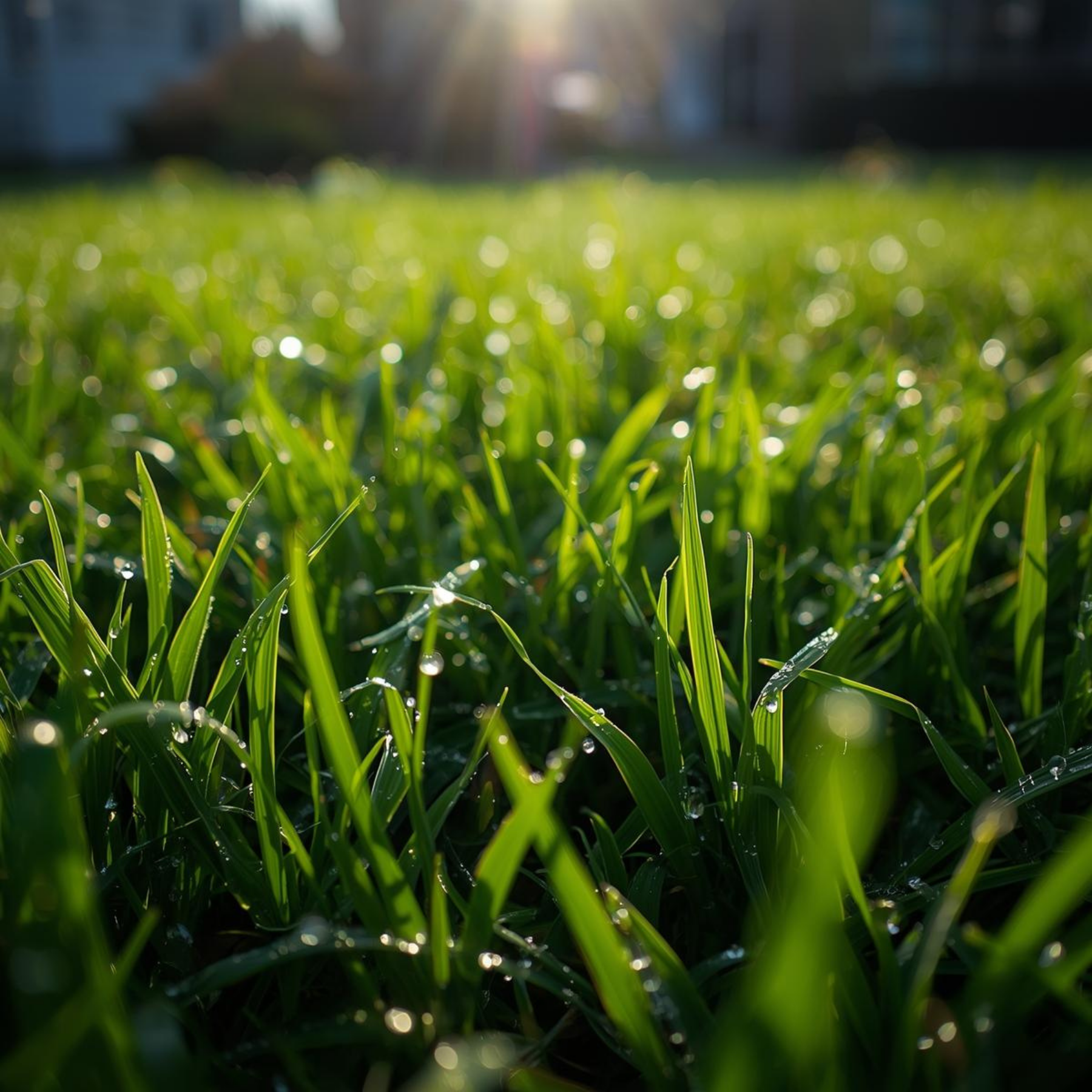
Fescue stays green, like this, year-round.
Common Cool-Season Grass in NC: Fescue
Tall fescue is the primary cool-season turf in our region. Its strengths and weaknesses include:
Keeps color year-round in most conditions
Handles shade better than many warm-season types
Needs more water and maintenance during hot summer months
Slower to spread compared to warm-season grasses
Cool-season lawns benefit most from fertilization and weed management that targets fall and spring growth windows. If you’re unsure which type you have, NC Turf Care can help you identify your turf type and put your lawn on the right treatment schedule.
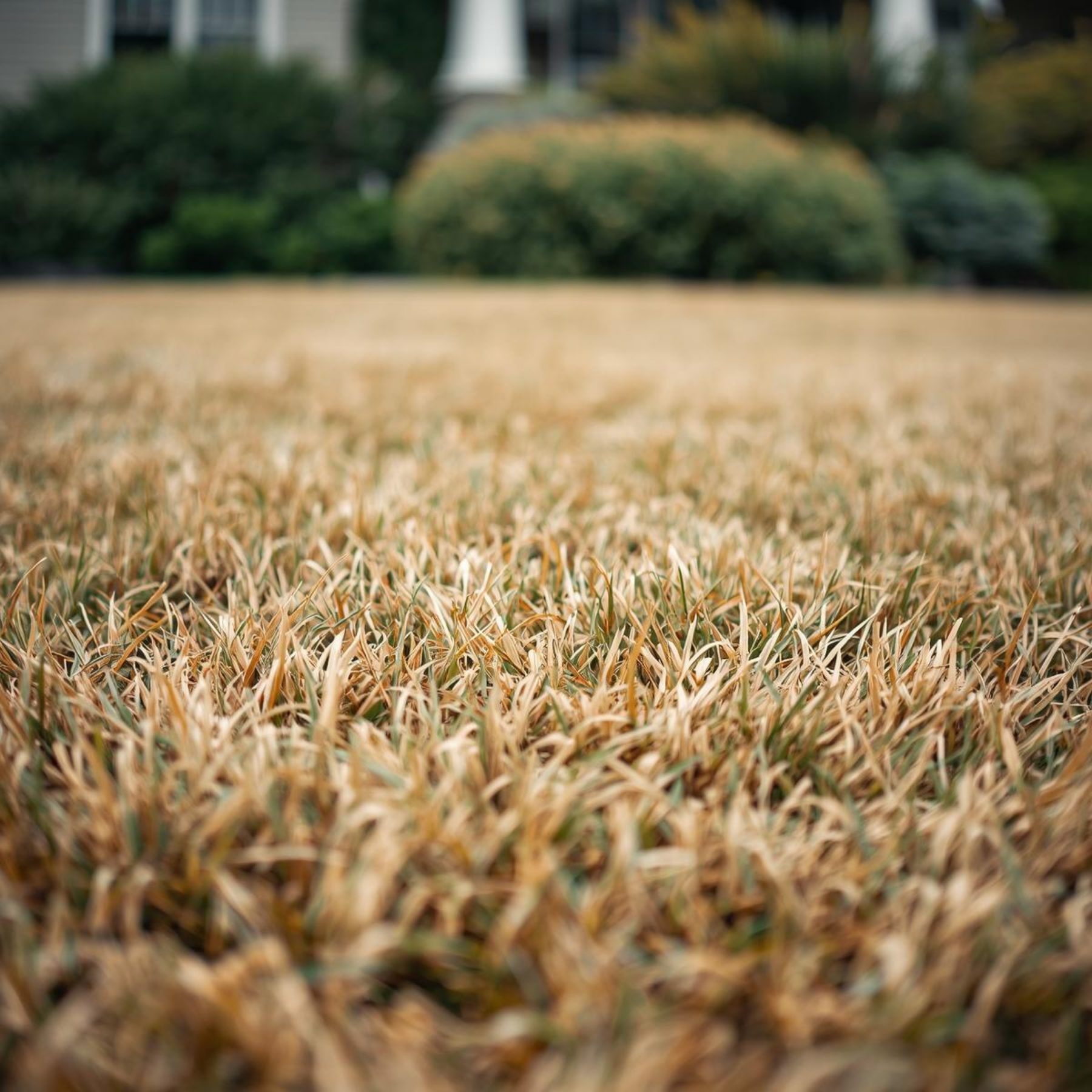
Bermuda/Zoysia will brown, as pictured, in the winter. But don’t fret; they spring back to green as soon as hotter weather rolls around again.
Common Warm-Season Grass in NC: Bermuda & Zoysia
Warm-season grasses like Bermuda and Zoysia dominate sunny, high-traffic yards in the Triangle. They:
Tolerate heat and drought really well
Spread aggressively when healthy
Go dormant and brown in winter
Prefer full sun and less shade
Lawns with warm-season turf need a different care timeline. Treatments should support active growth in late spring through summer, and fertilization shifts earlier and later around dormancy.
Why Getting the Grass Type Right Matters
Applying a cool-season schedule to a warm-season lawn, or vice versa, is a waste of time, money, and product. Fertilizers and weed control applications are seasonal tools; if they aren’t timed to your grass’s growth cycle, they often miss the mark.
That’s why NC Turf Care offers tailored fertilization and weed management programs built around turf type. Our team will help you determine whether your lawn is cool, warm, or even a mix, then apply treatments at the right times for that grass’s biology.
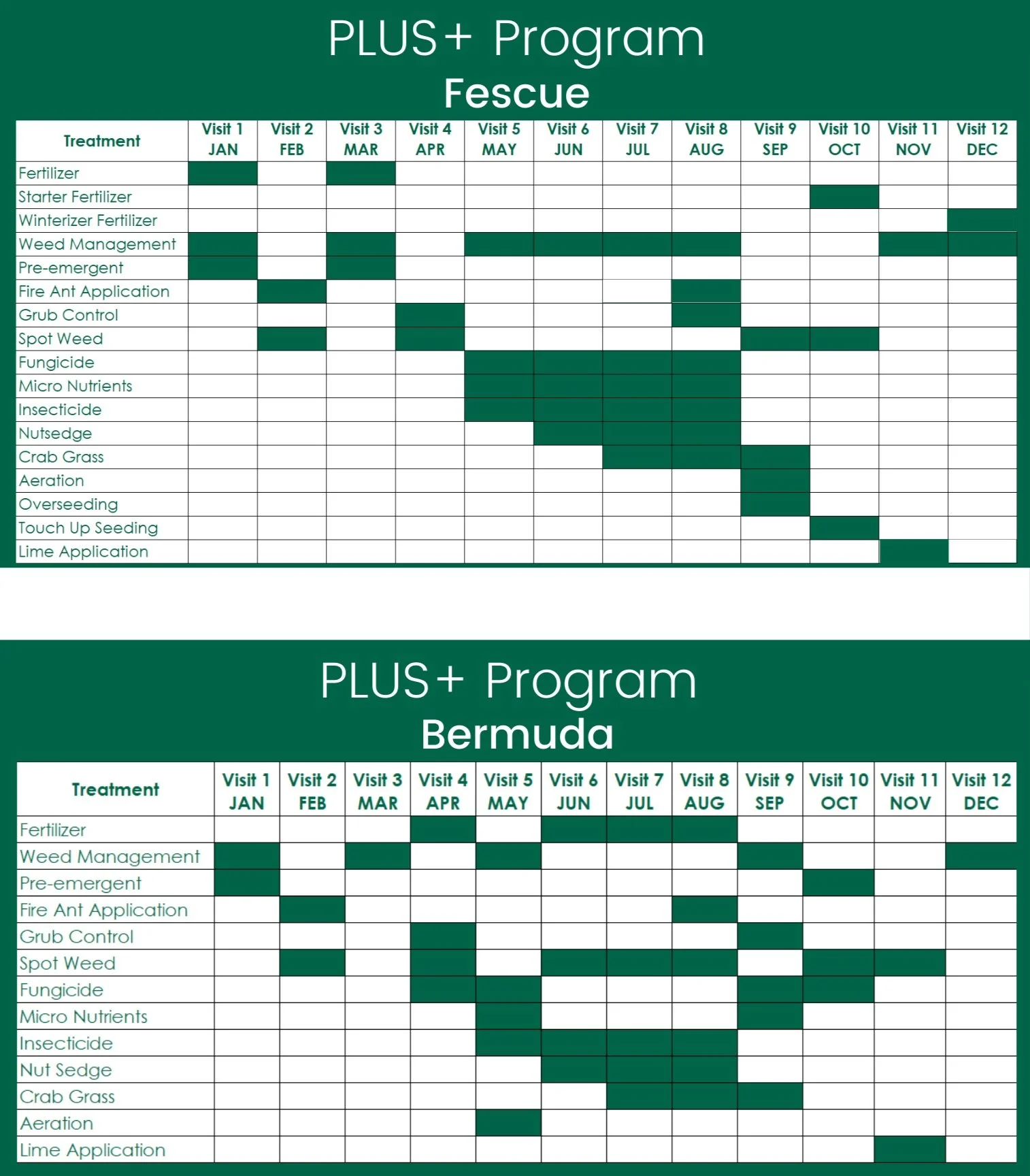
These are program schedules for our PLUS+ Fertilization Program.
Your Lawn Care Timeline: Cool Vs. Warm
Here’s how timing differs:
Cool-Season (Fescue):
Growth focus in cooler weather
Best fertilization: early spring & fall
Handles winter better than warm types
Warm-Season (Bermuda/Zoysia):
Peaks during heat
Fertilize late spring through summer
Goes dormant in winter
These timelines affect every part of maintenance: mowing height, irrigation, weed control, and even aeration scheduling. Getting them wrong can stunt growth and leave lawns thin or stressed.
How NCTC Can Help
NC Turf Care’s programs are not “one size fits all.” We differentiate between cool-season and warm-season needs and customize fertilization, weed control, aeration, and overseeding accordingly. That means fewer wasted applications and better overall results.
Whether your lawn is tall fescue or a heat-loving Bermuda yard, having the right plan behind it is the single biggest factor in getting a green, resilient lawn in NC’s shifting climate.
Did you like this blog? Read more here.