

Designing an Outdoor Space You’ll Actually Use
Plenty of outdoor spaces look great on day one and sit empty by year two. The problem usually isn’t the materials — it’s the design. Too many patios and walkways are built around appearance instead of how people actually move, sit, and spend time outdoors.
If you want an outdoor space that gets used, not ignored, design has to come first.
Start With How You Live, Not What Look Trendy
Before choosing pavers or layouts, ask the practical questions most people skip:
Do you host or relax quietly?
Is this space for daily use or occasional gatherings?
Will kids or pets be using it?
Is shade or sun more important?
A patio designed without these answers often ends up too small, awkwardly placed, or disconnected from the rest of the yard. NC Turf Care approaches hardscape projects with function first, making sure the space fits how the homeowner actually plans to use it.
Flow Matters More Than Size
An outdoor space doesn’t need to be large; it needs to make sense.
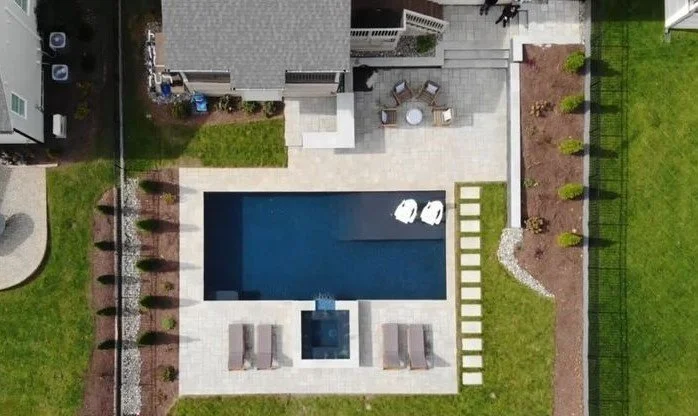
This is a project we designed and installed for one of our customers. Check out the full portfolio of this project here.
Poor flow kills usability fast. Common issues include patios that feel isolated, walkways that cut awkwardly through turf, or seating areas that don’t connect naturally to the house.
Good hardscape design creates smooth transitions between:
The home
The patio or gathering area
Walkways and access points
Surrounding turf
NC Turf Care’s hardscape designs focus on layout and movement so outdoor spaces feel intentional instead of tacked on.
Choose Surfaces That Match Real Use
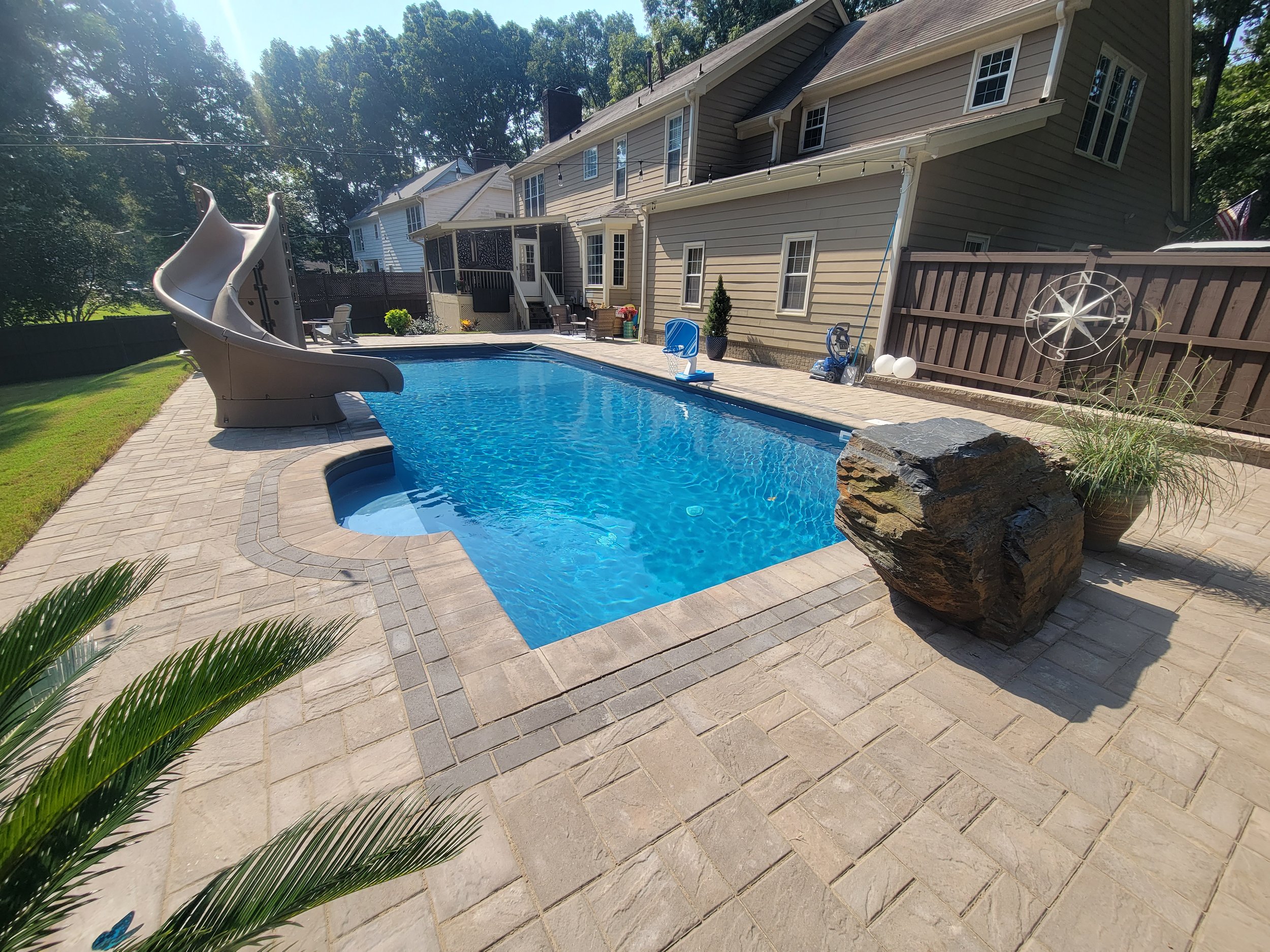
This is another paver pool patio and living space we designed and installed. View the full portfolio of this project here.
Not all materials work the same way in North Carolina’s climate.
Some surfaces hold heat, others shift with moisture, and some require more upkeep than expected. Choosing the wrong material can turn a patio into something you avoid during summer or constantly maintain.
Professional hardscape planning ensures materials are selected based on:
Sun exposure
Drainage
Foot traffic
Long-term durability
That planning stage is where most DIY or rushed installs fall apart.
Don’t Ignore Turf Around Hardscape
This is where many projects quietly fail.
Hardscapes change soil structure, drainage, and foot traffic patterns. Without follow-up turf care, grass around patios and walkways often thins, compacts, or turns muddy.
NC Turf Care bridges that gap by pairing hardscape installation with turf care services like aeration, overseeding, and soil management — helping lawns recover and stay healthy after construction.
Shade, Sun, and Comfort Decide Whether You’ll Stay Outside
A patio with no shade in July won’t get used. A seating area that never dries after rain won’t either.
Designing for comfort means considering:
Shade placement
Heat reflection from hardscapes
Drainage around seating areas
These details determine whether a space is enjoyable or abandoned. NC Turf Care designs outdoor environments with comfort in mind, not just curb appeal.
Interested in Starting a Hardscape You’ll Use AND Love?
Did you like this blog? Read more here.